

Planning the Char Dham Yatra? Our complete guide covers Yamunotri, Gangotri, Kedarnath & Badrinath. Get essential info on routes, best time to visit, rituals, travel tips, and how to prepare for this transformative Himalayan pilgrimage.
Embark on the Ultimate Spiritual Journey: A Complete Guide to the Sacred Char Dham Yatra
(Meta Description: Planning the Char Dham Yatra? Our complete guide covers Yamunotri, Gangotri, Kedarnath & Badrinath. Get essential info on routes, best time to visit, rituals, travel tips, and how to prepare for this transformative Himalayan pilgrimage.)
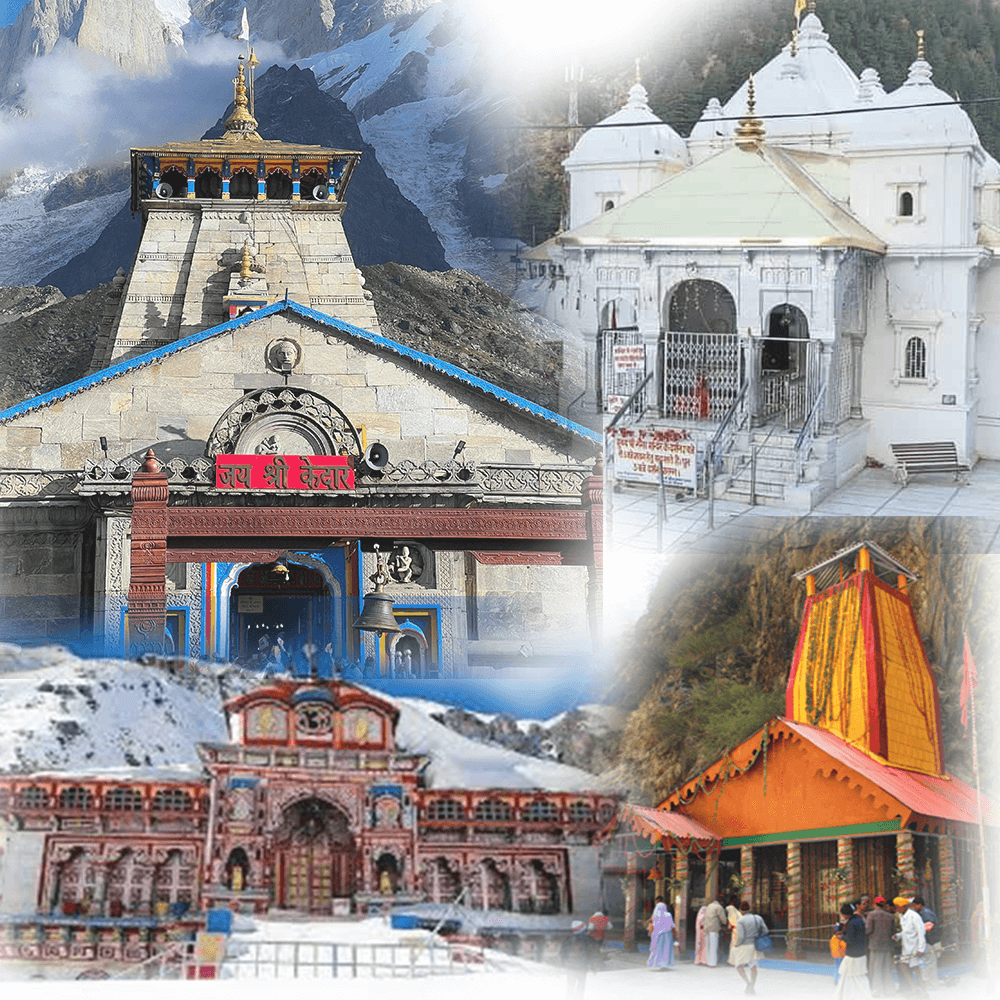
Introduction: The Call of the Divine Himalayas
Nestled high in the majestic Garhwal Himalayas of Uttarakhand, India, lies the most revered pilgrimage circuit in Hinduism – the Char Dham Yatra. Comprising four sacred abodes – Yamunotri, Gangotri, Kedarnath, and Badrinath – this journey is not merely a trip; it’s a profound spiritual ascent, a quest for salvation (Moksha), and a testament to human devotion against the backdrop of nature’s raw, breathtaking beauty. For centuries, devout Hindus have braved treacherous terrains and harsh climates to seek the blessings of the deities enshrined in these ancient temples, believing that completing this yatra washes away one’s sins and paves the path to liberation.
The word “Char Dham” literally translates to “four abodes,” and each site is dedicated to a specific deity and a sacred river origin. The traditional pilgrimage follows a specific sequence, starting from the west and moving eastward: Yamunotri, then Gangotri, onto Kedarnath, and finally Badrinath. This sequence is said to mirror the spiritual journey of an individual, from purification to enlightenment. In this comprehensive guide, we will walk you through every facet of this epic journey, helping you prepare for an experience of a lifetime.
The Significance and History of Char Dham
The origins of the Char Dham are deeply entwined with Hindu mythology, scriptures, and the great 8th-century philosopher-saint, Adi Shankaracharya. It is believed that he revived and consolidated the sanctity of these four sites, establishing monasteries (mathas) and unifying them as a central pilgrimage circuit to strengthen the Hindu faith. Each Dham represents a specific Yug (cosmic age) and a cardinal direction, creating a spiritual map of India.
- Yamunotri: Represents the Yamuna River and is associated with the deity Yamuna, daughter of the Sun God.
- Gangotri: The origin of the holy Ganga River (Ganges), personified as Goddess Ganga.
- Kedarnath: Home to Lord Shiva in his most solemn form as the Lord of Kedar Khand.
- Badrinath: The seat of Lord Vishnu in his meditative form, Badrinarayan.
The yatra is traditionally undertaken from April/May (Akshaya Tritiya) to October/November (Diwali), as the temples remain closed during the harsh winter months, with the deities ceremoniously moved to lower-altitude winter abodes.
A Deep Dive into the Four Divine Abodes
1. Yamunotri: The Source of the Yamuna River
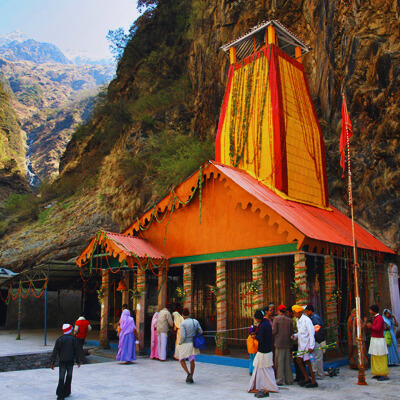
Altitude: 3,293 meters (10,804 ft)
Your spiritual journey begins at Yamunotri, the westernmost Dham. It is dedicated to Goddess Yamuna, whose waters are believed to protect devotees from untimely death.
- The Temple & Rituals: The main temple, reconstructed in the 19th century, houses a black marble idol of the goddess. The key ritual here is to take a holy dip in the nearby Tapt Kund (hot water spring) before offering prayers. The water is so hot that pilgrims often cook rice and potatoes in it, tied in cloth, to offer as prasad (sacred offering).
- The Trek: The motorable road ends at Janki Chatti. From here, it’s a scenic 6 km trek (3-4 hours) to the temple. Ponies, palanquins (dolis), and even helicopter services are available for those unable to trek.
- Key Attractions Nearby:
- Surya Kund: The boiling hot spring where prasad is cooked.
- Divya Shila: A rock pillar that is worshipped before entering the temple.
- Saptarishi Kund: The actual glacial source of the Yamuna, a challenging trek further upstream.
2. Gangotri: Where the Ganges Descends to Earth
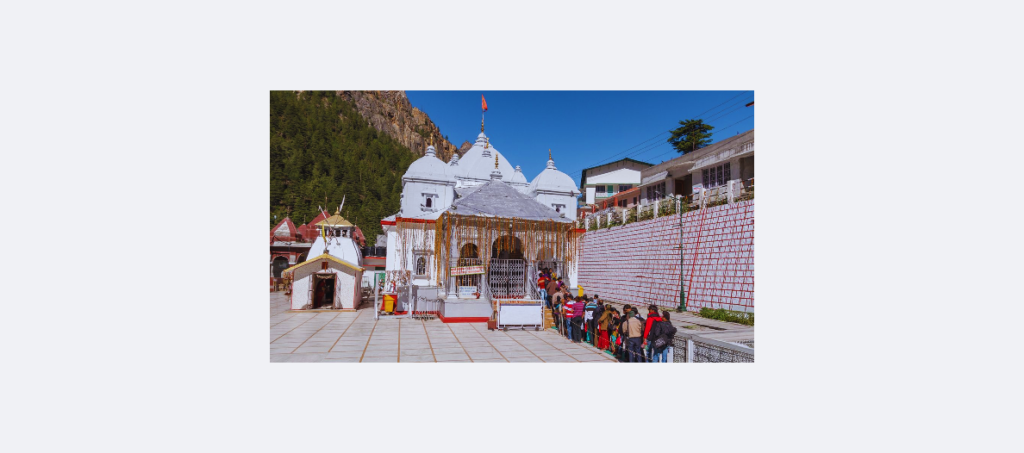
Altitude: 3,100 meters (10,200 ft)
From Yamunotri, pilgrims travel to Gangotri, the source of the holiest river in India, the Ganges (Ganga). According to legend, Goddess Ganga descended here to earth in the form of a river, brought down by King Bhagirath’s penance to absolve his ancestors.
- The Temple & Rituals: The 18th-century white granite temple, built by the Gorkha General Amar Singh Thapa, stands beautifully by the roaring Bhagirathi River (Ganga’s name at origin). The evening Ganga Aarti on the temple steps is a mesmerizing spectacle of light, sound, and devotion.
- The Atmosphere: The air is filled with chants and the powerful sound of the river. Devotees collect sacred water to carry home and take a dip in the icy waters, believed to purify the soul.
- Key Attractions Nearby:
- Gomukh: The actual glacial snout of the Gangotri Glacier, which feeds the river. It’s a demanding 19 km trek from Gangotri but a profoundly moving experience for trekkers.
- Bhagirath Shila: The rock where King Bhagirath is believed to have meditated.
- Pandava Gufa: A cave believed to be where the Pandavas from the Mahabharata rested.
3. Kedarnath: The Abode of Lord Shiva
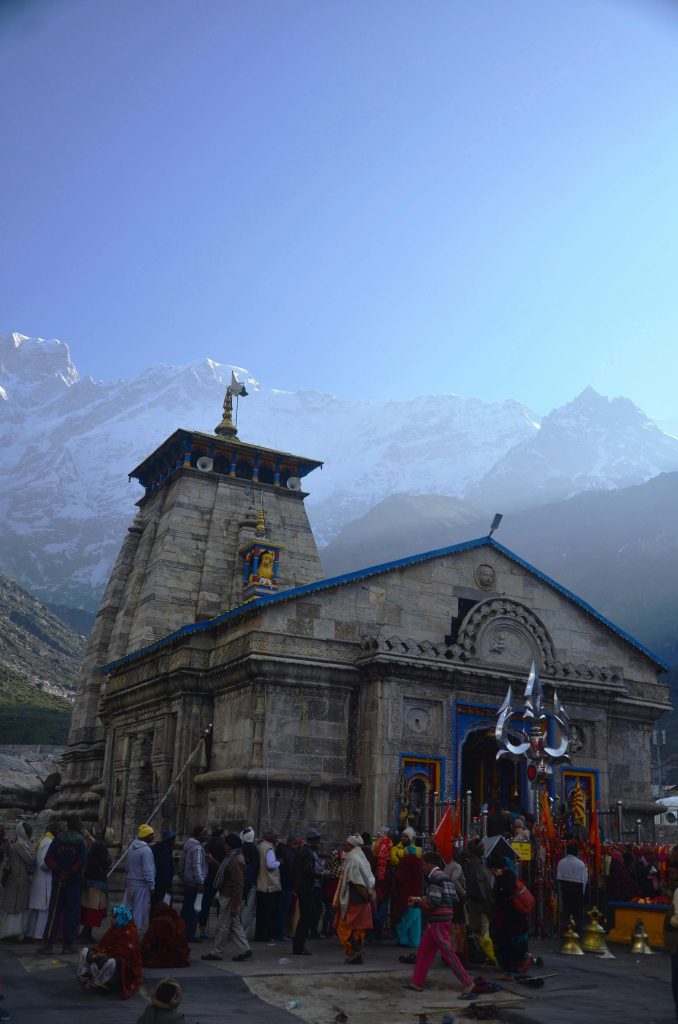
Altitude: 3,583 meters (11,755 ft)
Perhaps the most formidable and spiritually charged of the four Dhams, Kedarnath is one of the twelve Jyotirlingas of Lord Shiva. Nestled near the head of the Mandakini River, with the towering Kedarnath peak in the backdrop, the temple’s survival of the devastating 2013 floods is considered nothing short of a miracle.
- The Temple & Legends: The stark, stone-edifice temple, of unknown antiquity, is said to have been built by the Pandavas. The presiding deity is a unique pyramidal Shiva Lingam. The legend states that after the Mahabharata war, the Pandavas sought Shiva’s blessing here to absolve them of fratricide.
- The Challenging Trek: The journey to Kedarnath is a true test of faith. The road ends at Gaurikund. From here, it’s a 16 km trek (6-8 hours) through rugged mountain paths. Options include trekking, pony rides, palanquins, and helicopter services from Phata, Sirsi, or Guptkashi.
- Key Attractions Nearby:
- Bhairavnath Temple: Dedicated to Lord Bhairav, the protector of Kedarnath.
- Gandhi Sarovar: A serene lake offering stunning reflections.
- Vasuki Tal: A high-altitude lake for seasoned trekkers.
4. Badrinath: The Seat of Lord Vishnu
Altitude: 3,300 meters (10,827 ft)
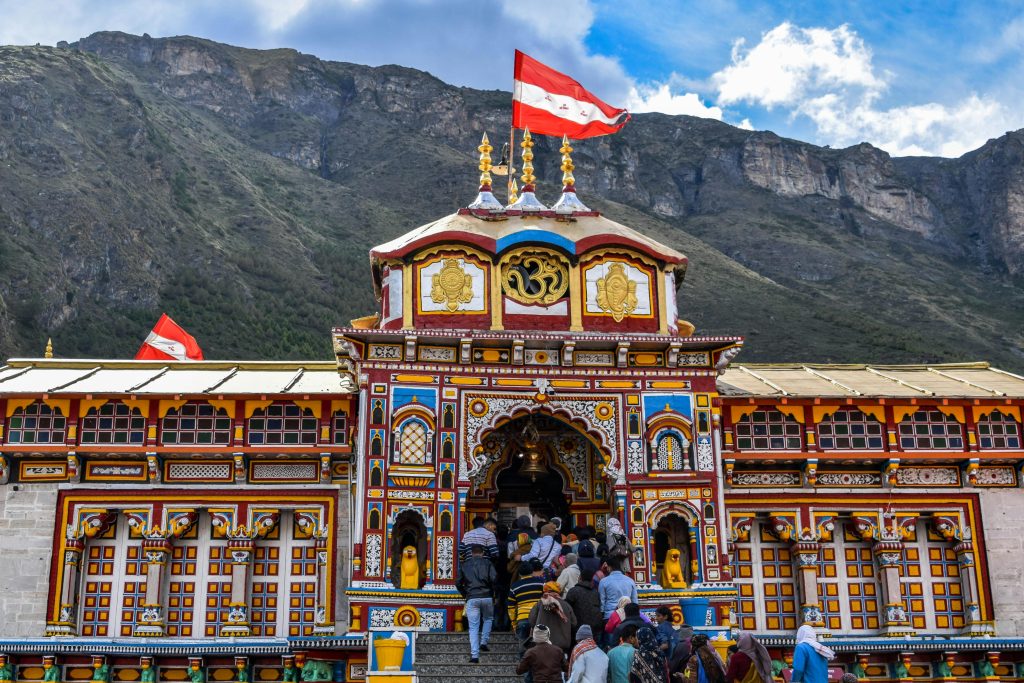
The final and easternmost Dham, Badrinath, is dedicated to Lord Vishnu as Badrinarayan, who is depicted in a meditative posture. Situated along the banks of the Alaknanda River, it is part of the larger Panch Badri pilgrimage circuit.
- The Temple & Architecture: The brightly painted temple, with its distinctive curved tower, is believed to have been established by Adi Shankaracharya. The idol of Badrinarayan is carved from a black stone (Saligram). The complex includes the Tapt Kund, a natural hot spring where pilgrims bathe before entering the temple.
- Spiritual Climax: Reaching Badrinath signifies the culmination of the yatra. The atmosphere is one of joyous culmination and deep reverence.
- Key Attractions Nearby:
- Mana Village: The last Indian village before the Tibet border, rich in mythological significance (home to Vyas Gufa and Ganesh Gufa).
- Valley of Flowers & Hemkund Sahib: A UNESCO World Heritage Site and a sacred Sikh Gurudwara, respectively, accessible via a separate trek from Govindghat.
- Brahma Kapal: A riverbank ghat where shraddh (ancestral rites) are performed.
Planning Your Char Dham Yatra: A Practical Handbook
Best Time to Visit
The ideal window is May to June and September to October. Avoid the peak monsoon (July-August) due to landslides and the winter months when the temples are closed. The Maharathi (heavy rush) periods are during school holidays and major festivals.
The Travel Route & Itinerary
The standard route is: Delhi/Haridwar/Rishikesh -> Yamunotri -> Gangotri -> Kedarnath -> Badrinath -> Return.
A typical itinerary spans 10-12 days:
- Days 1-2: Arrive at Haridwar/Rishikesh. Acclimatize and travel to Barkot/Janki Chatti for Yamunotri.
- Day 3: Yamunotri darshan. Overnight at Janki Chatti/Barkot.
- Day 4: Travel to Uttarkashi/Harsil for Gangotri.
- Day 5: Gangotri darshan. Return to Uttarkashi/Guptkashi.
- Day 6: Travel to Guptkashi/Phata/Sonprayag for Kedarnath.
- Day 7: Kedarnath darshan. Overnight at Kedarnath or return to Guptkashi.
- Day 8: Travel to Badrinath via Chopta/Joshimath.
- Day 9: Badrinath darshan and local sightseeing.
- Day 10: Return to Haridwar/Rishikesh.
How to Travel: Options Galore
- By Road: Well-connected but winding mountain roads. Hire a private taxi for maximum flexibility.
- Helicopter Services: A time-saving option, especially for Kedarnath and Badrinath. Book well in advance.
- Ponies, Dolis, and Porters: Essential for the treks, especially for the elderly or those with physical constraints.
Physical Fitness and Acclimatization
This is a moderate-to-strenuous pilgrimage. Start cardio exercises months in advance. Walk daily. Acclimatization is critical to avoid Acute Mountain Sickness (AMS). Spend a day at a lower altitude like Rishikesh or Uttarkashi before ascending. Stay hydrated, avoid alcohol, and ascend gradually.
Essential Packing List & Health Tips
- Clothing: Layered woolens (thermals, fleece, down jacket), raincoat/poncho, comfortable trekking shoes, socks, gloves, cap.
- Medicines: Personal prescriptions, Diamox (for AMS, consult a doctor), pain relievers, anti-nausea, diarrhea medicine, cough/cold tablets, and a basic first-aid kit.
- Miscellaneous: Sunglasses, sunscreen (SPF 50+), lip balm, water bottle, torch, power bank, plastic bags (for wet clothes), dry fruits/nuts, and chana/gram for offering at temples.
- Documents: ID proofs, yatra registration (if required), emergency contact numbers, and travel insurance details.
Spiritual Etiquette and Tips for a Fulfilling Yatra
- Maintain Cleanliness: These are ecologically sensitive zones. Dispose of waste properly. Use designated bins.
- Respect Traditions: Follow temple rules. Dress modestly. Photography is often prohibited inside sanctums.
- Be Patient: Expect crowds, long queues, and delays. Maintain a calm and cooperative attitude.
- Trust Authorized Services: Book travel and accommodation through registered agents.
- Focus on the Journey: This yatra is as much about the inner journey as the external one. Disconnect to reconnect.
Conclusion: More Than a Pilgrimage, a Transformation
The Char Dham Yatra is a powerful mosaic of faith, resilience, and breathtaking natural splendor. It pushes your physical limits while offering unparalleled peace to the soul. The sound of temple bells mingling with river chants, the sight of snow-clad peaks against azure skies, and the shared camaraderie of thousands of fellow pilgrims create memories that last a lifetime. It’s a journey that reminds you of your place in the cosmos, humbles you with the grandeur of the Himalayas, and leaves you with a sense of profound inner peace. So, prepare well, set your intentions, and answer the call of the mountains. Your journey to the abode of the gods awaits.
Har Har Mahadev! Jai Badri Vishal